No waste. No legacy.

At Packoala, sustainability isn’t a marketing statement — it’s an operational standard that guides how we develop materials, design products, and support customers in real-world use.

Our purpose is clear: help reduce reliance on conventional fossil-based plastics by providing certified, high-performance compostable packaging designed for professional applications — from hospitality and food service to retail and logistics.

Packaging is often necessary. The question is whether it can be done without leaving persistent waste behind.

Sustainability at Packoala

We build sustainability around three practical pillars:

Why Compostable Packaging?

Compostable packaging is designed with end-of-life in mind — enabling packaging, in the right conditions and where infrastructure exists, to be managed together with organic waste.

In many real-world scenarios, flexible and multi-layer packaging can be challenging to recycle at scale due to sorting complexity and economics. Compostable alternatives can support a different pathway: organic waste management, where relevant and locally available.

Packoala focuses on compostable solutions in professional, high-volume use cases such as:

  • Hospitality & food service consumption items (e.g., straws and operational accessories)
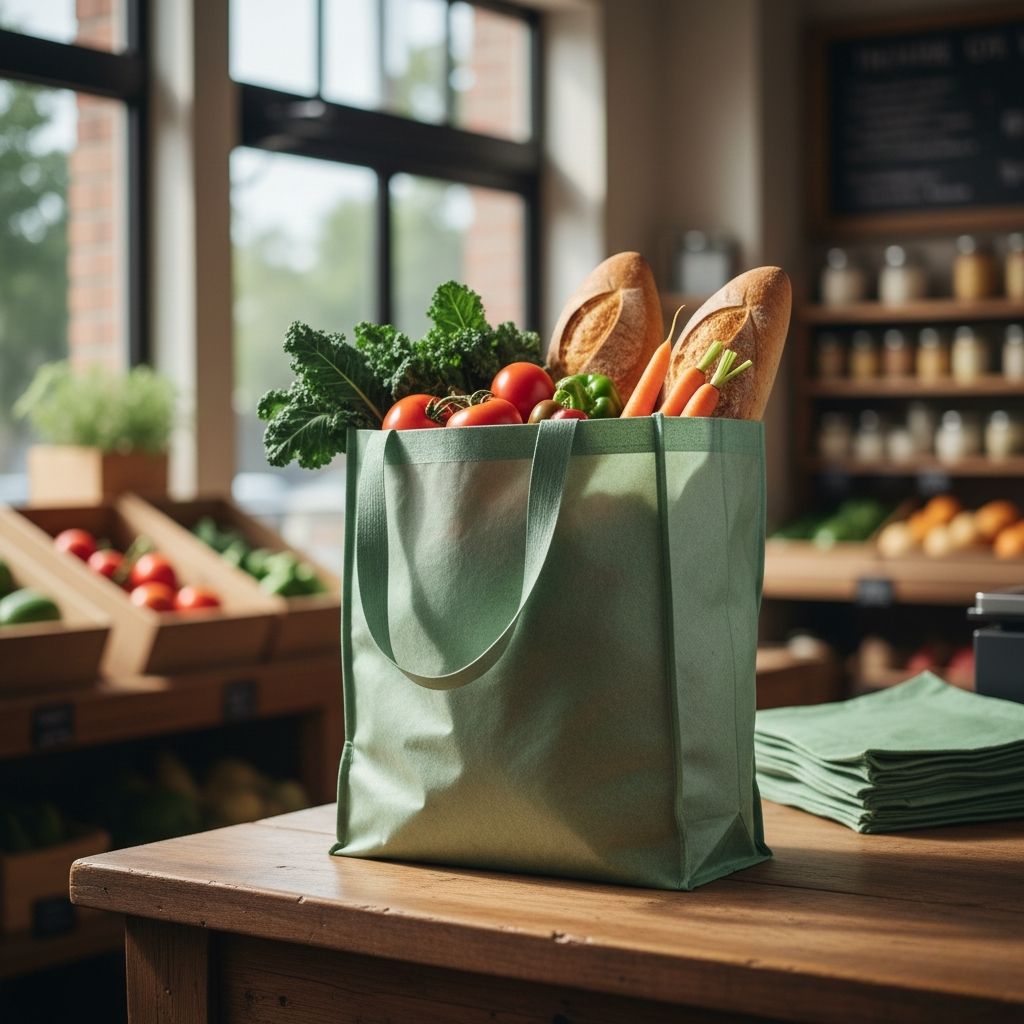
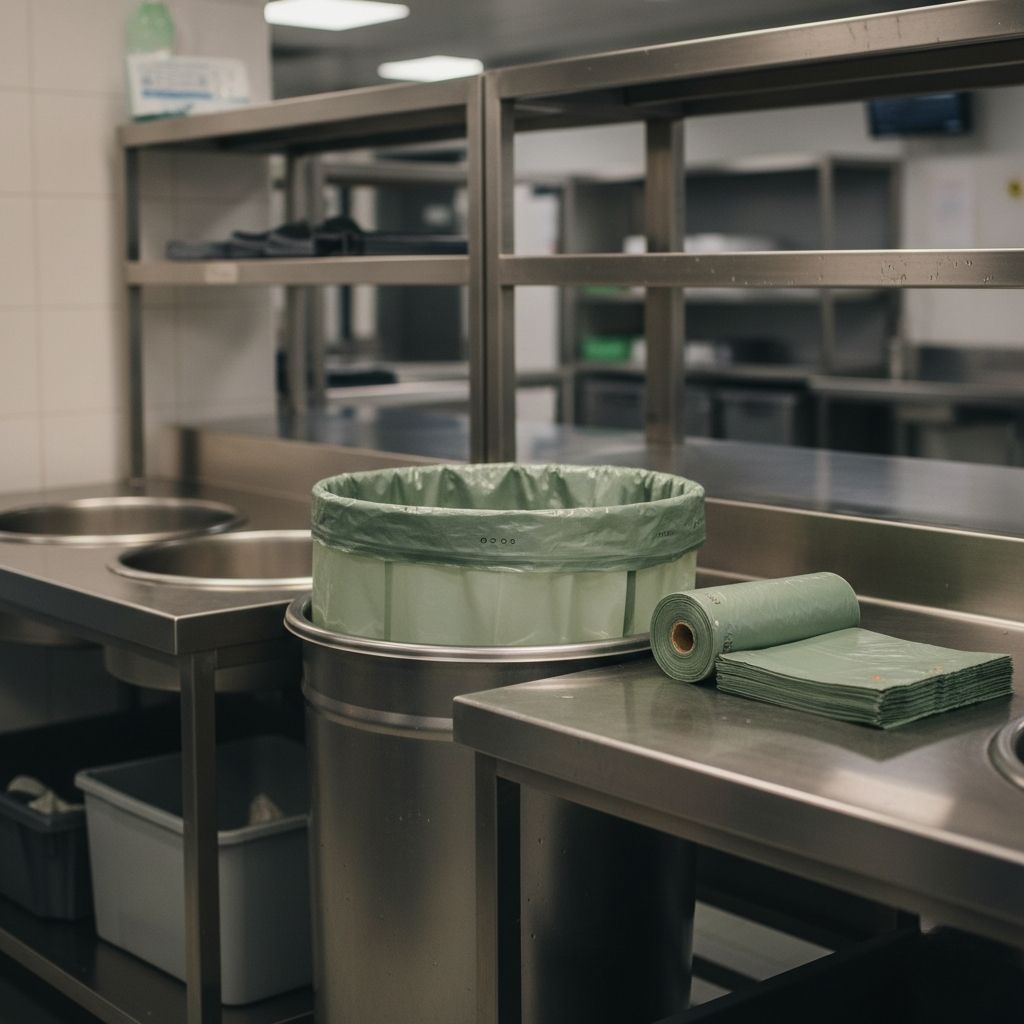
  • Compostable waste bags and selected carry solutions (where appropriate)
  • Specific film applications where composting infrastructure and operational practices support correct disposal

Circular Economy

A circular economy starts at design stage — reducing waste and keeping materials in the most appropriate value loop.

Packoala aligns with circular design principles by focusing on:

  • Designing out waste wherever possible
  • Supporting correct end-of-life routes through clear disposal guidance
  • Reducing persistent pollution risk by prioritizing validated compostable pathways (where applicable)

In practice, this means we work with customers to define the actual disposal scenario before scaling a product across sites or regions.

We design for real-world use—not for show.

Working Together

Sustainable packaging is a system challenge — not a single-company solution. Real progress happens when brands, procurement teams, operators, and waste-management infrastructure move in the same direction.

Packoala collaborates with:

  • Procurement, operations, and ESG teams
  • Hospitality groups and food service chains
  • Distributors and supply partners
  • Local waste and composting stakeholders (where relevant)

Our role is to help customers make the transition operationally workable — not just conceptually appealing.

Home Composting (Where Applicable)

Home composting conditions vary significantly by climate, compost system, temperature, moisture, and time. For this reason, home-compostability must be evaluated product-by-product against the relevant standards and certifications.

General considerations include:

  • The composting system type and maintenance (aeration, moisture balance)
  • The composition of organic waste mix
  • Realistic timeframes (which vary widely)

Industrial Composting

Industrial composting facilities process organic waste at controlled conditions and scale. Where accepted by local infrastructure and regulations, compostable packaging can be processed together with organic waste, helping simplify collection in certain operational environments.

A typical pathway looks like this:

  1. Organic waste + compostable items are correctly separated at the source
  2. Waste is collected through the relevant local system
  3. The material is processed under controlled composting conditions (facility-specific)

Planning a transition to compostable packaging?

Packoala helps procurement and ESG teams select the right product category, define the correct end-of-life route, and support operational implementation.

Send us a message